
Using PayPal to Fund Play at Australian Online Casinos
For Australians weighing digital payment options, understanding how PayPal casino Australia operators handle transactions matters more than flashy bonus numbers. I’ve spent over a decade reviewing financial processes, and I know that payment friction often reveals operational weaknesses before anything else. This walkthrough examines the practical steps of using PayPal at a site like jackpotjill casino games, focusing on what actually happens when you deposit, play, and request a withdrawal.
How PayPal Fits Into the Casino Payment Flow
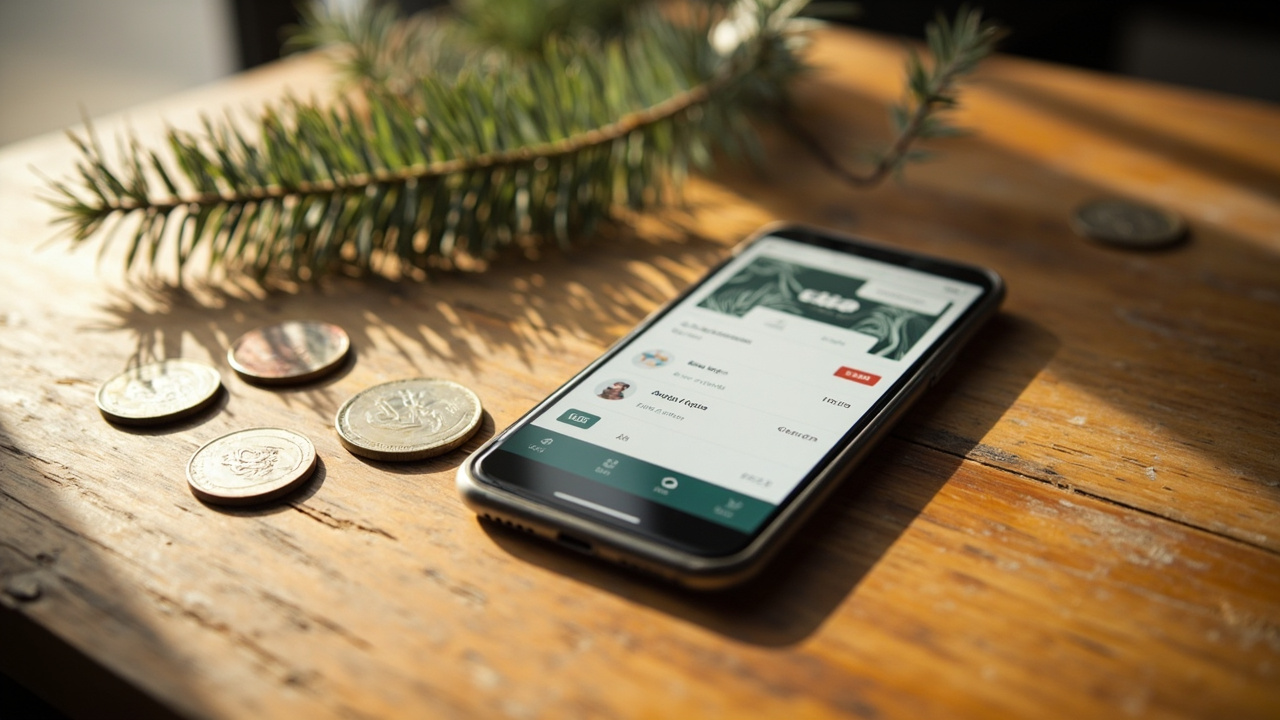
When you first encounter a PayPal option at an Australian-facing site, the interface usually presents it alongside cards and e-wallets during checkout. The real test isn’t whether the button exists, but how the operator handles the handoff between your PayPal account and the casino wallet. In my experience optimising commercial workflows, a clean handoff means fewer failed transactions and clearer ledgers for both sides. You select PayPal, authenticate via the usual security prompt, and the funds move into your play balance without requiring you to re-enter card details every session.
The operator’s licence position shapes what happens next. Australian law prohibits domestic online casino licensing, so any site accepting Australian players operates under an overseas jurisdiction. That doesn’t make the payment inherently risky, but it does mean you’re relying on the operator’s own controls rather than a local regulator’s oversight. A site that processes PayPal cleanly usually has its payment routing documented internally, which suggests someone is actually tracking settlement times and failure rates rather than leaving it to chance.
If you’re comparing options, you’ll want to check how the site treats currency conversion and fee transparency. Some operators pass conversion costs through silently, which inflates your effective spend. Others show the AUD equivalent before you confirm, which is the kind of clarity I’d expect from a properly managed payment desk. The difference matters when you’re tracking your own bankroll across multiple sessions.
| Detail | What to Expect |
|---|---|
| Currency | AUD displayed at checkout |
| Payment method | PayPal e-wallet transfer |
| Registration | Email, password, basic KYC later |
| Mobile access | Browser-based, no separate app required |
| Support channel | Live chat and email during local hours |
What Happens When You Deposit and Withdraw
The deposit path and what can go wrong
Starting a deposit through PayPal feels straightforward until something interrupts the flow. You log in, choose your casino balance top-up amount, and confirm the transfer. Most of the time the funds appear within moments, but delays usually stem from three places: a pending PayPal verification, a mismatch between your PayPal name and the casino account name, or a temporary hold while the operator runs an automated check. I’ve seen FP&A teams lose hours chasing reconciliation gaps that traced back to name mismatches, and the same principle applies here.
Yet, sudden verification prompts or region locks can stall the process before funds reach your account. For uninterrupted play, it helps to verify that the platform supports smooth payment gateways. You can explore more about reliable options at high payout slots.

Before you fund a session, make sure your PayPal account is in good standing and that the name on your casino profile matches what PayPal shows. If you’re playing on a shared device or a new browser, clear any saved payment tokens that might conflict with the current session. A quick check of your PayPal activity log after the transfer confirms whether the debit posted cleanly, which saves you from opening a support ticket based on a timing lag rather than an actual failure.
If you’re new to this, here’s a simple way to approach your first deposit without overcomplicating it:
- Confirm your PayPal balance or linked funding source is ready before opening the casino site.
- Register or log in, then navigate to the cashier and select PayPal as your payment method.
- Enter the AUD amount you want to move, keeping it within whatever deposit limit the site displays.
- Complete the PayPal authentication prompt in the separate window that appears.
- Return to the casino and verify the balance updated before you start playing.
- Save a screenshot or note of the transaction reference in case you need to trace it later.
That sequence keeps you from chasing problems that are really just timing or verification gaps. It also gives you a clean record if you ever need to confirm what moved where.
Withdrawals and the verification step
Requesting a withdrawal through PayPal usually runs in the opposite direction, but it tends to take longer because the operator has to confirm your identity first. Responsible operators ask for documentation before paying out, not after, and that’s a sign they’re actually managing risk rather than collecting deposits and hoping for the best. You’ll typically need to submit a photo ID and possibly a proof-of-address document, then wait for the account to clear before the PayPal payout is approved.
Once cleared, the withdrawal request goes back through the same PayPal channel. Settlement timing depends on the operator’s internal processing window, not on PayPal itself, so a same-day deposit doesn’t guarantee a same-day return. I’d treat any claim of instant withdrawals with skepticism, because payment rails don’t work that way when identity checks and internal approvals sit in the middle. A realistic expectation is a short processing period followed by a standard PayPal transfer window, which is usually enough for casual play but not something you should plan around for urgent cash needs. jackpotjill casino games
If you’re comparing payout speed across sites, look for operators that publish their typical processing timeframe rather than vague promises. That kind of disclosure suggests the finance or payments team has actually measured the cycle and is willing to stand behind it. It’s a small detail, but it separates operators who manage their cash flow from those who just hope players won’t notice the delay.
Matching PayPal Play to How You Actually Use It
The right setup depends on how you play, not on which payment method looks slickest in an ad. If you’re a casual player who tops up occasionally and wants a clean record of what moved where, PayPal’s transaction history gives you something a direct card charge doesn’t always make obvious. You can see each debit, each credit, and the timing between them, which helps when you’re reviewing your own spend after a busy month.
For players who care about account controls, PayPal adds a layer between your bank and the casino wallet. That buffer can be useful if you want to set your own limits on how much flows into play, separate from whatever tools the operator provides. Responsible-play tools like deposit limits, session reminders, and self-exclusion options still matter, and they work best when you use them alongside a payment method that makes your activity easy to track. None of that removes the need to manage your own pace, but it does give you more visibility than a method that disappears into your card statement.
Support quality matters here too. If a deposit stalls or a withdrawal gets held for verification, you want a response that actually addresses the transaction rather than a generic script. Live chat during local hours and a reachable email address are the baseline I’d expect, because payment issues don’t wait for business hours in every time zone. When you’re testing a site, try a small deposit first and see how the support team handles a simple question before you commit more time or money to the account.
Verdict
PayPal can work well for Australian players who want a traceable, familiar payment route, provided they understand the operator is running under an overseas licence and not a local one. The method itself is solid, but the experience depends on how well the casino manages its payment handoff, verification, and disclosure. Start small, check the name match, keep your records, and treat any payout timing claims with a grounded expectation rather than marketing language.